Theriology
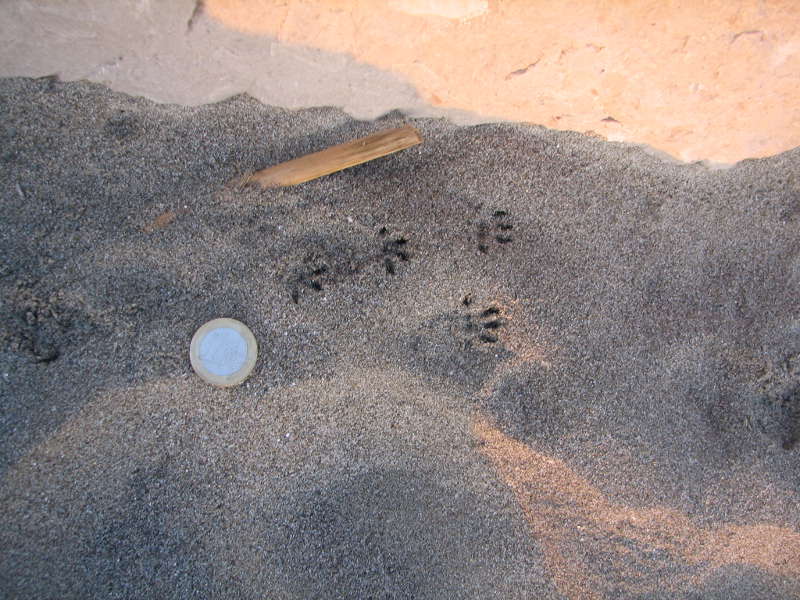
Within zoology, theriology is the branch concerned with the study of mammals, including their anatomical and physical characteristics, biology, behaviour, ecology and species distribution. Mammals can serve as valuable indicators of environmental quality: changes in mammal populations can provide insights into both natural and human-induced environmental changes and offer important guidance for management and conservation decisions. This highlights the importance of classifying and surveying the species present in specific areas of interest.
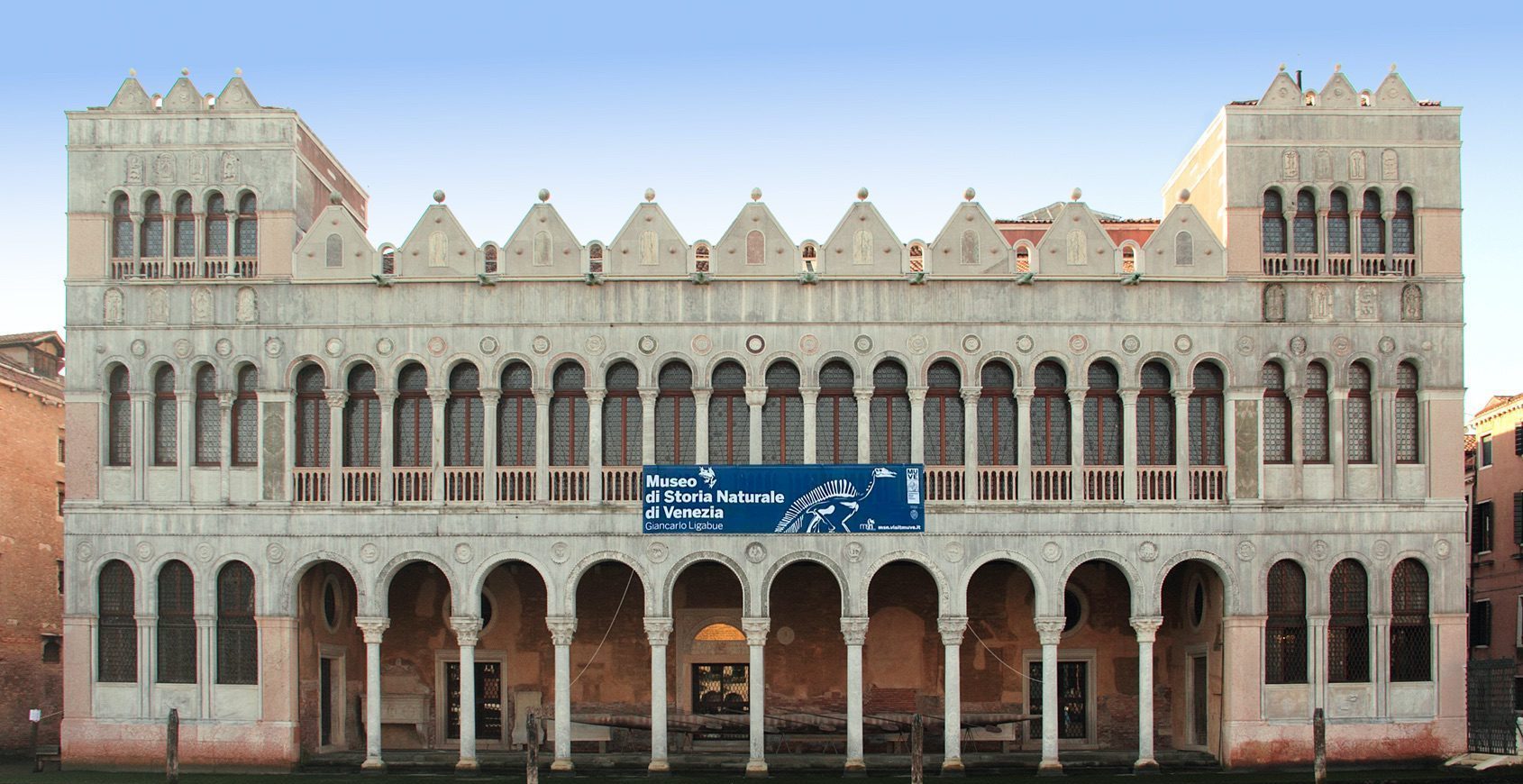
The Museum has an active Theriology section, supported by important historical and more recently established collections. The establishment of relationships with organisations and institutions, including parks, provincial authorities, wildlife protection services, associations, universities and museums, facilitates the acquisition of specimens for the Museum’s collections, as well as the development of specific research projects.
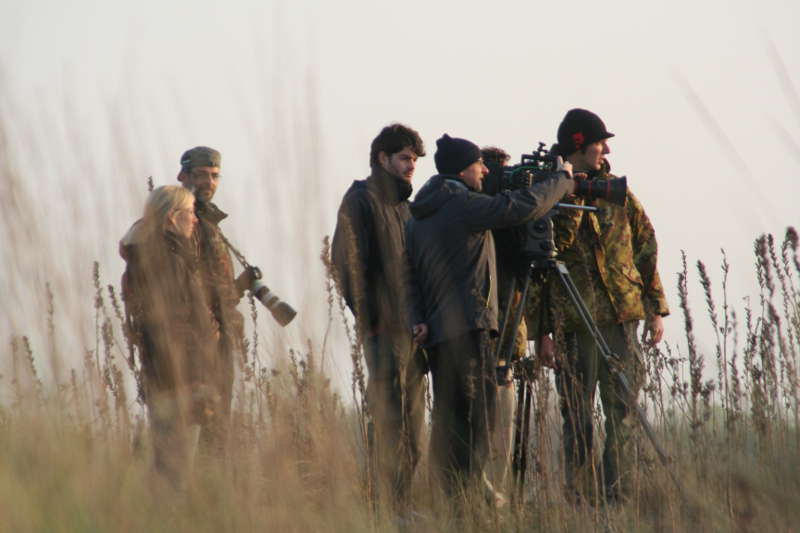
For example, collaboration with the Veneto Region – Ecological Networks and Biodiversity Service, together with the Associazione Faunisti Veneti, recently led to the development of the Mammal Atlas of the Veneto Region. The aim of the project is to produce an updated mapping of species distribution, with particular attention to species of special interest, such as large carnivores, non-native species and small mammals. Updating distribution data can provide valuable support for defining appropriate conservation measures.