Museum Itinerary
The new, evocative and engaging layout has a modern and original museological facility.
The complexity of subjects is mediated by a multi-level communication where visitors have an active role and interact with the unusual and attractive apparatus set up.
Ground floor
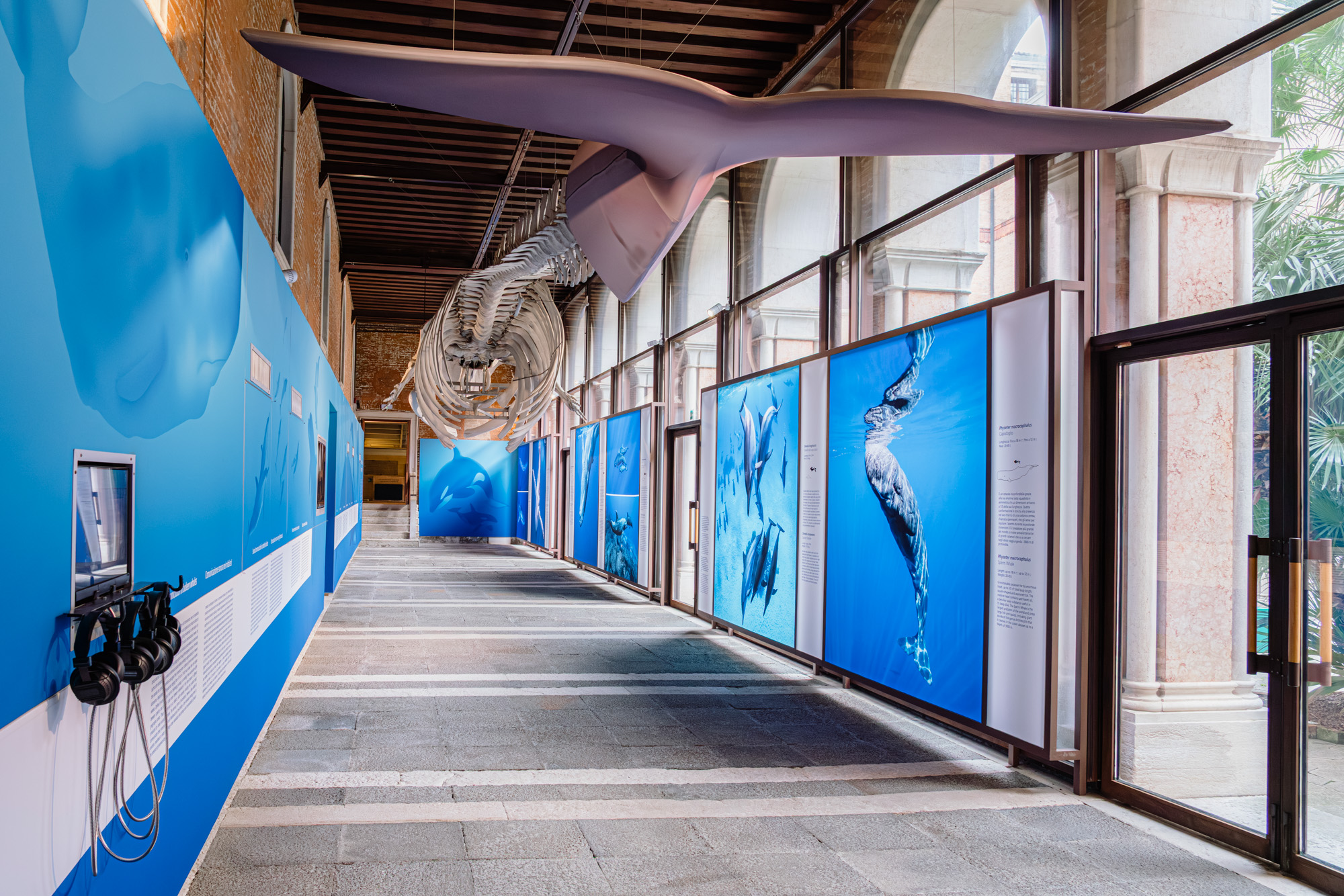
The ground floor of the Natural History Museum of Venice Giancarlo Ligabue houses two exhibition rooms.
The evocative Cetacean Gallery displays the skeletons, hanging from the ceiling, of a big common fin whale (Balaenoptera physalus) and a young sperm whale (Physeter catodon).
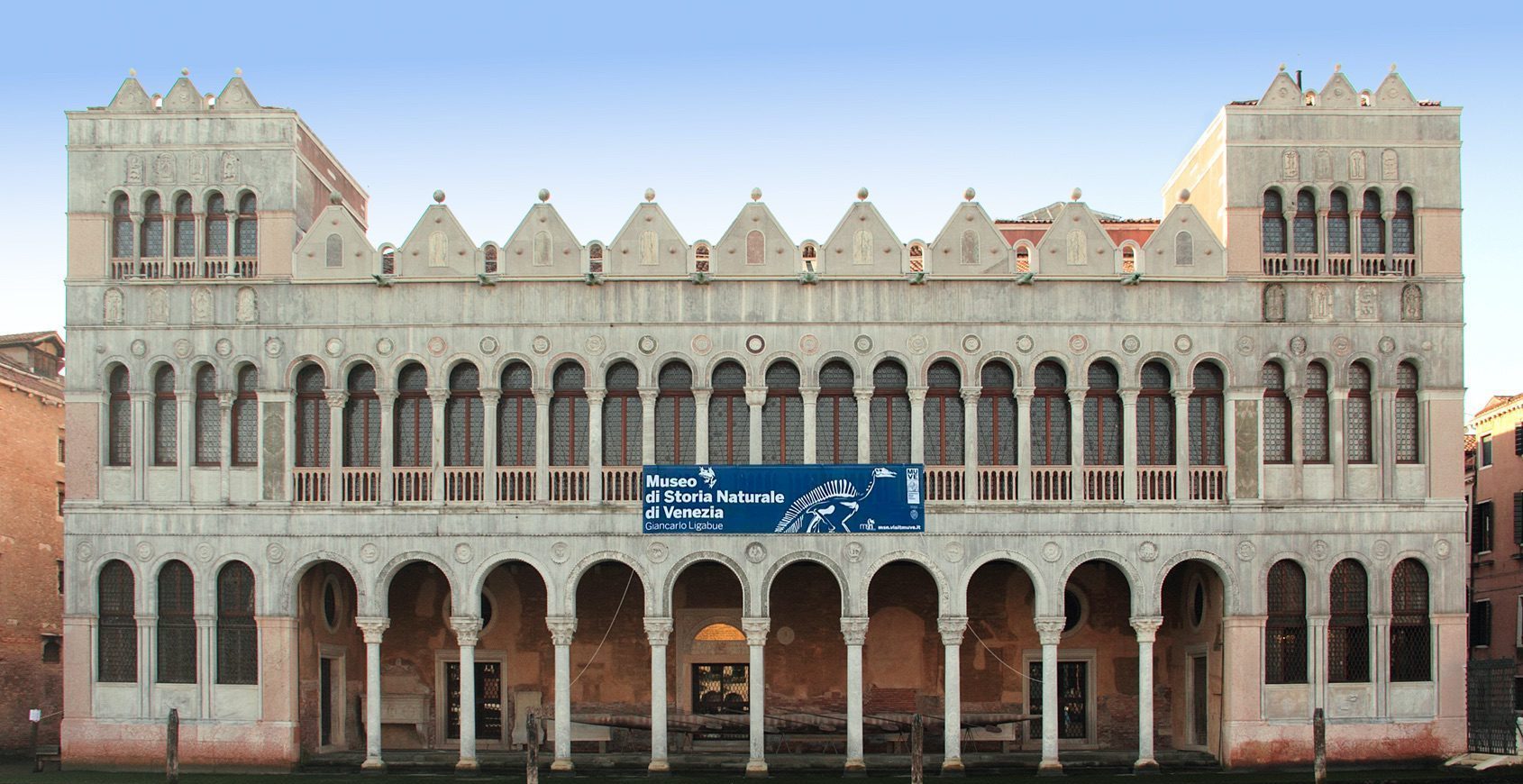
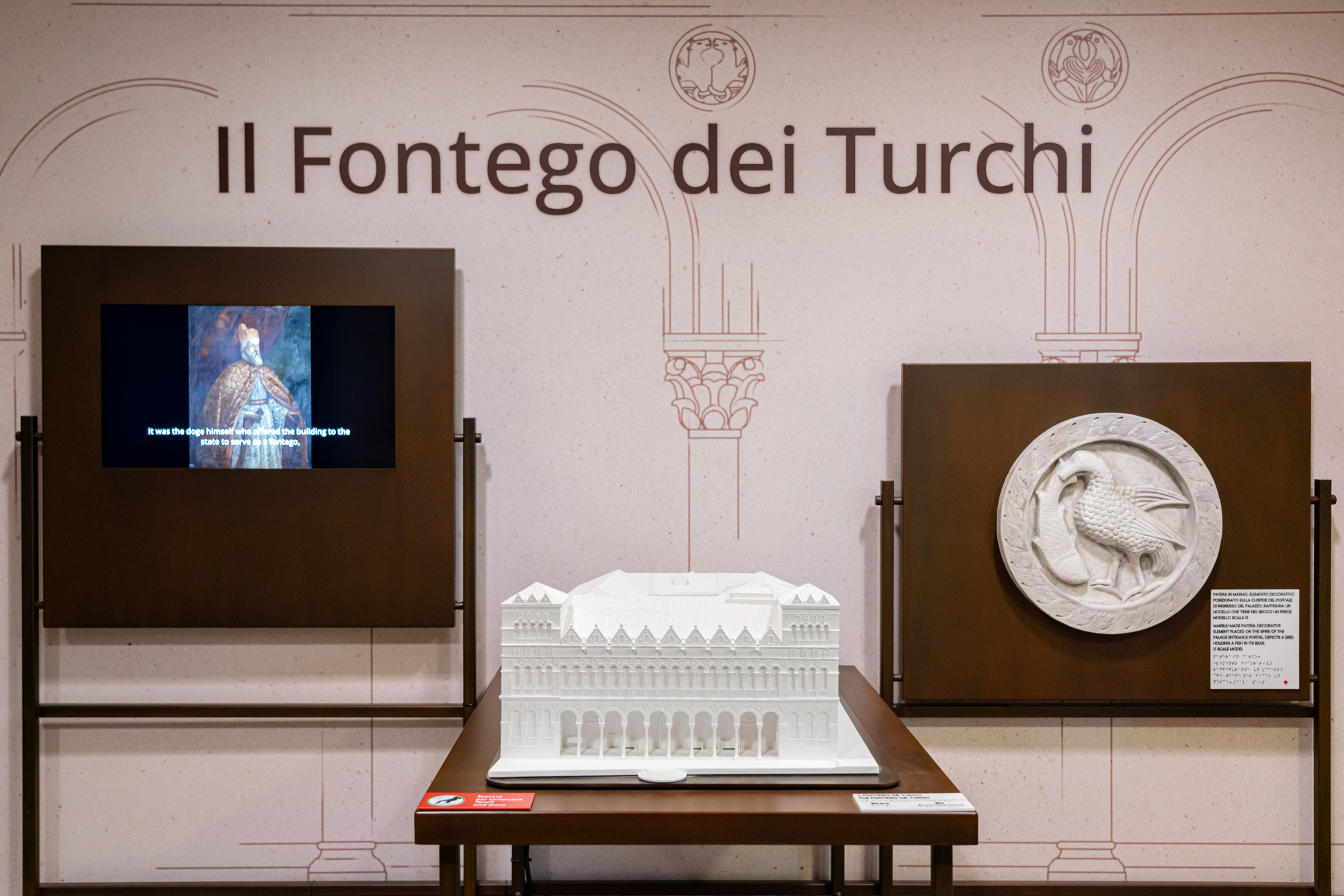
The Fontego dei Turchi, an inclusive and multisensory area dedicated to the history of the building, one of the most distinctive Venetian palaces overlooking the Grand Canal and home to the museum since its establishment in 1923.
Second floor
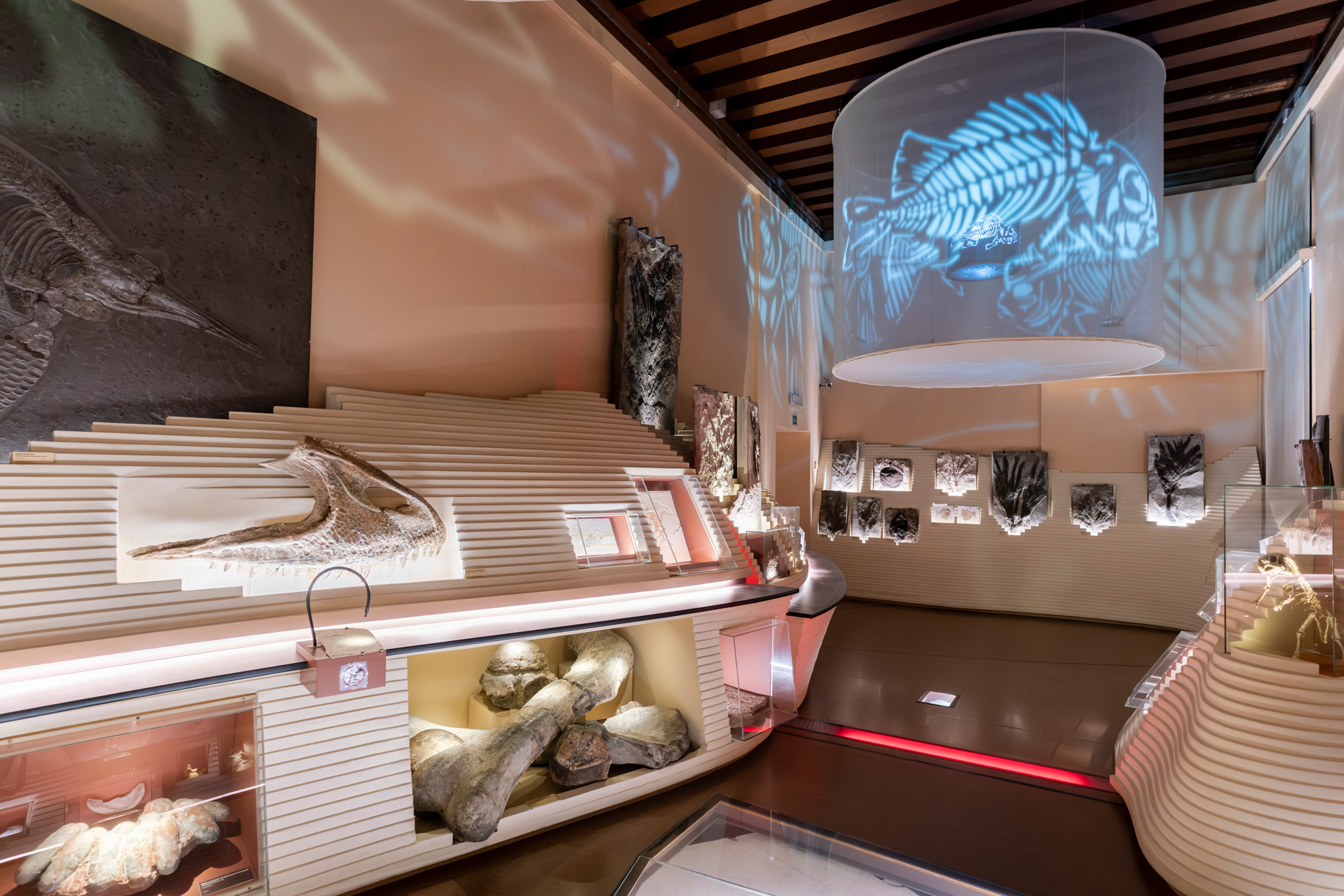
In the second floor there are three sections that could be considered as museums inside the museum.
On the tracks of life, dedicated to fossils and palaeontology, this section extends along four rooms, following the ‘tracks’ of fossils in order to understand the origin and evolution of life on Earth.
Collecting to astonish, collecting for research, recounts the evolution of collecting and the rise of scientific museology.
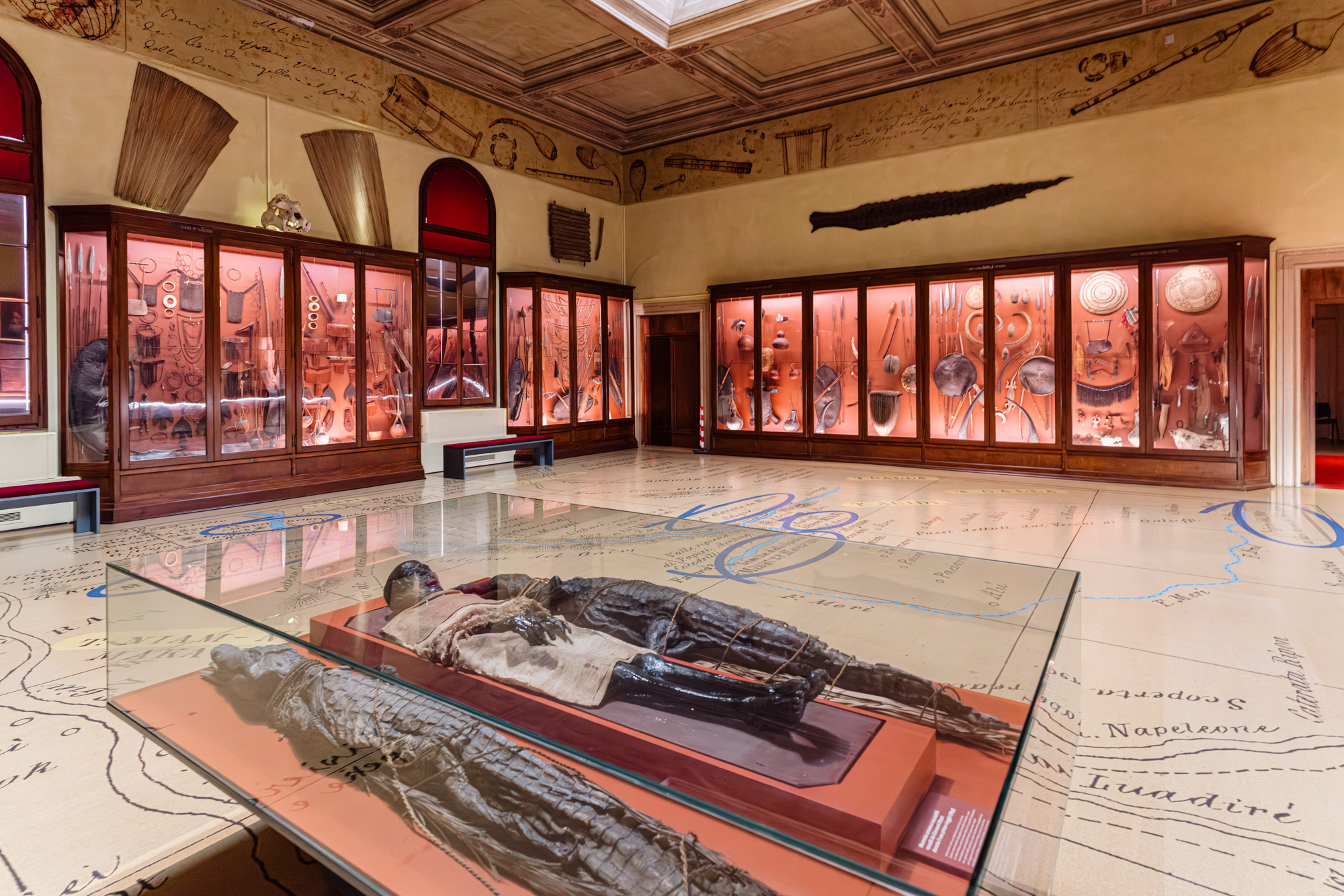
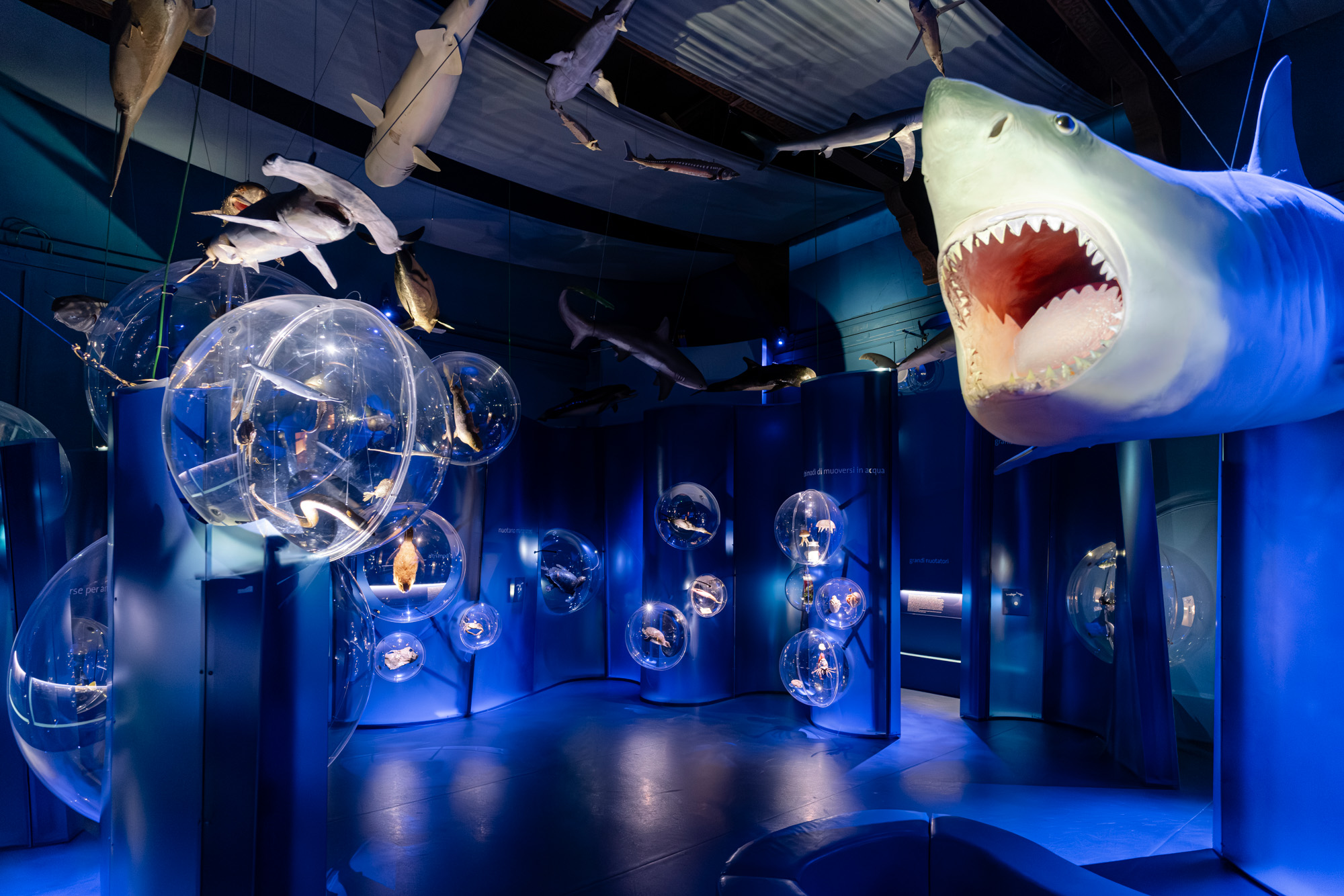
The Strategies of life, offer another ‘access key’ to the complexity of nature.
It offers a journey through the complexity of living forms, marked by an enormous variability, profound differences, but also surprising similarities.
Visitor resources
The Natural History Museum of Venice Guide is available for purchase at the Museum Store. Richly illustrated and available in both Italian and English, the guide offers insights and interesting facts about the specimens on display.
The Audiopen, an innovative audio guide, is available at the Museo di Storia Naturale ticket office and is included in the admission ticket.