Fields of study
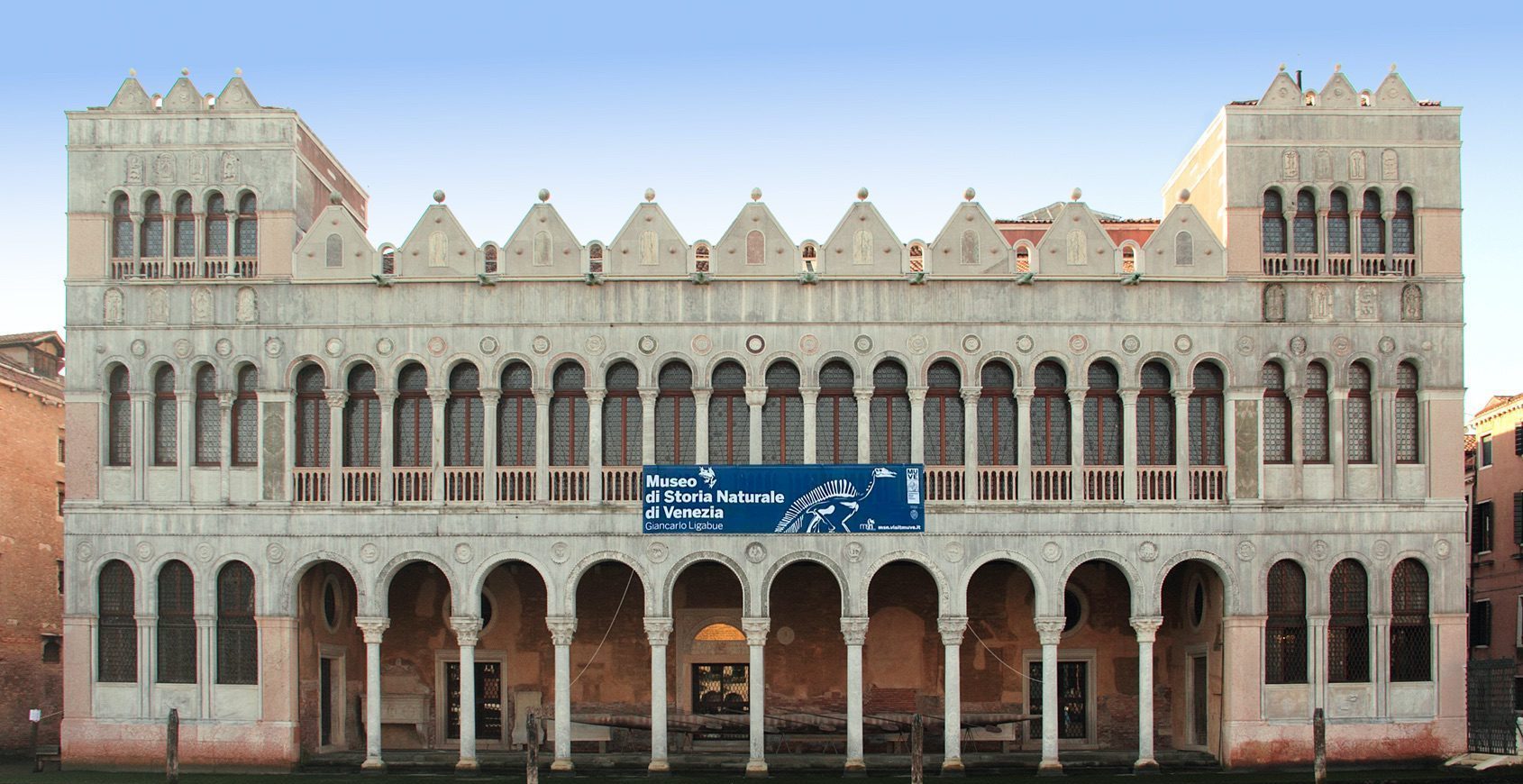
The Natural History Museum of Venice Giancarlo Ligabue is a scientific research institution recognised by the Italian Ministry of Education, University and Research. Thanks to its important scientific collections, built up over the course of its history, its extensive specialised library, and the expertise of its scientific staff, the Museum conducts and promotes research into the biology and ecology of the Venice Lagoon, the Adriatic Sea and the Veneto region more broadly. This focus on the local area is inherited from the naturalists of the past who associated their scientific work with the Museum, and continues to this day through both independent research and collaborations with other scientific institutions and organisations.
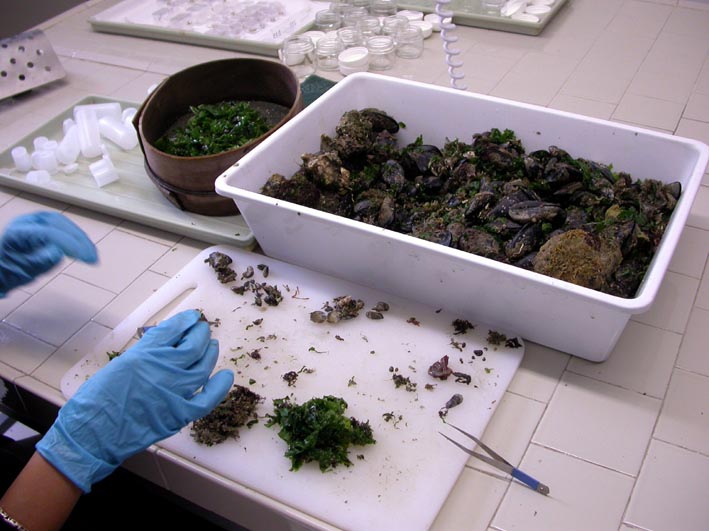
Of particular importance are the monitoring activities and research carried out in the Venice Lagoon and on its fauna, including studies on the spread of non-native marine and lagoon species and faunal surveys.
Research findings are generally presented in the form of scientific articles, published both in the Museum Bulletin and in specialised journals and publications. The study and revision of the scientific collections often result in the publication of catalogues. In recent years, a large amount of data from field research, the study and cataloguing of scientific collection materials, and the review of specialised literature has been entered into digital databases.
Some of the Museum’s facilities are used as laboratories for research activities in various scientific disciplines, including botany, malacology, entomology, archaeozoology, palaeontology and vertebrate zoology.
The scientific staff of the Museum is specialized in various disciplines related to the Natural Sciences.
In these fields of study the Museum carry on projects of research, takes care and preserves its collections, offers to students opportunities for internships and gives them advices for their thesis.
Fields of study
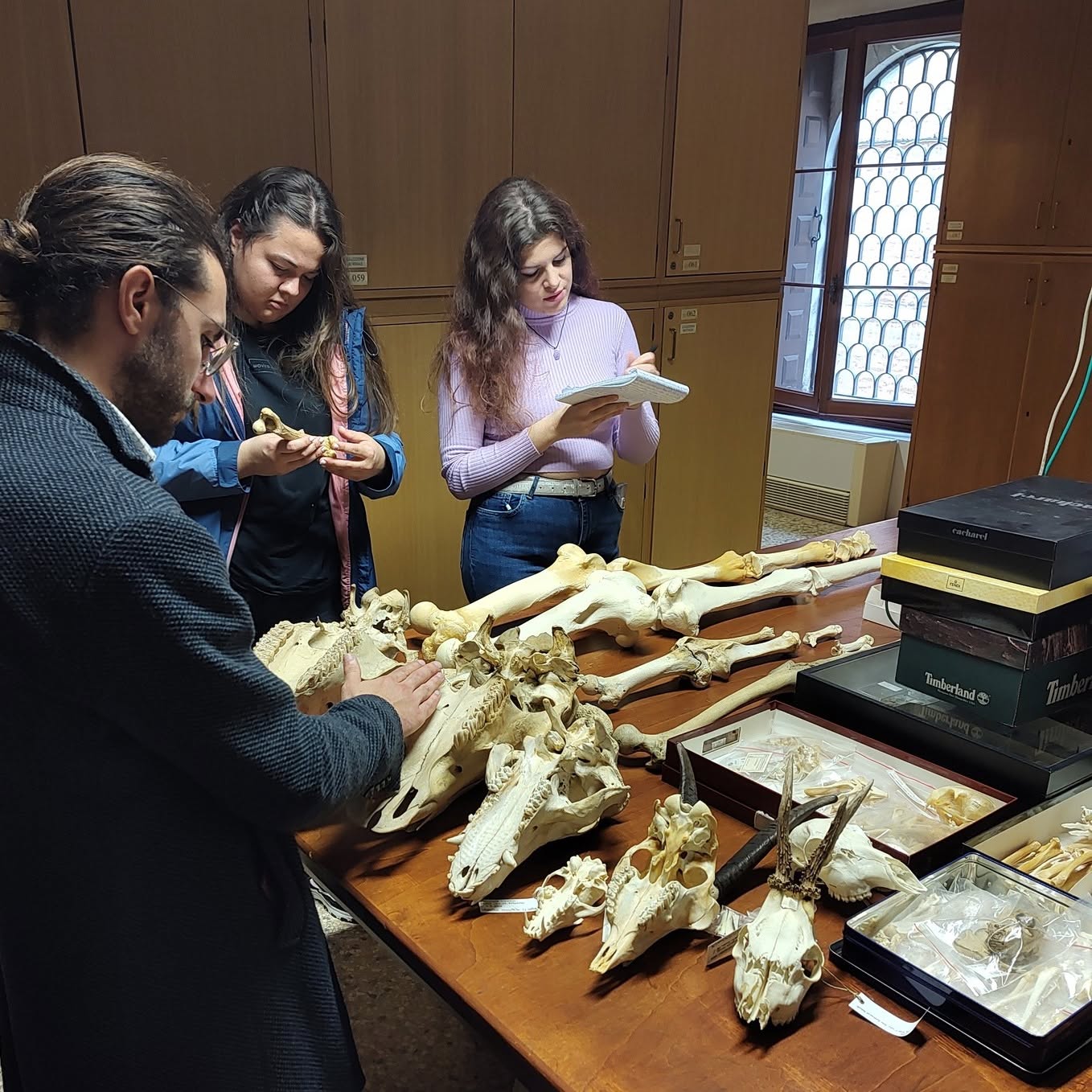
Archeozoology
In the Natural History Museum of Venice there is a specific section dedicated to Archaeozoology, with a rich collection of findings.
Marine biology
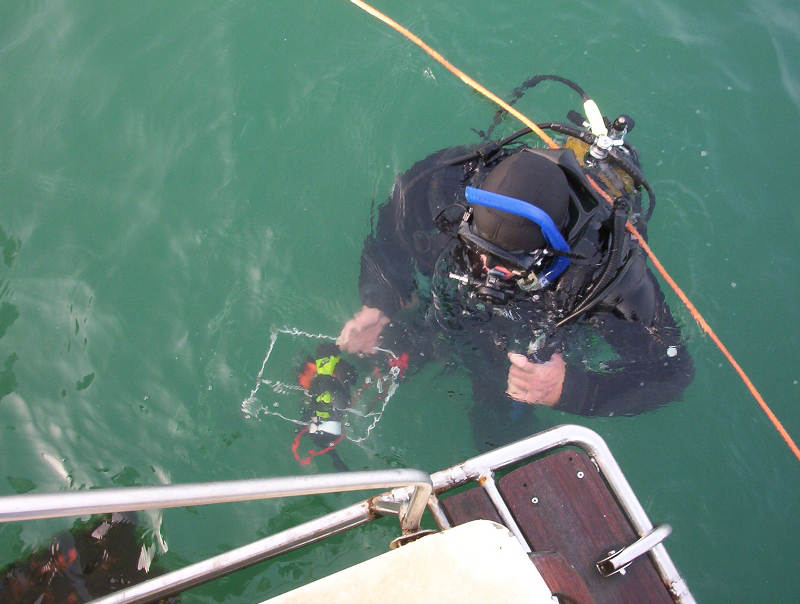
The main objective of the Marine biology section is to study the Venice Lagoon and the coastal areas of the northern Adriatic in order to characterise their communities and ecological features.
Entomology
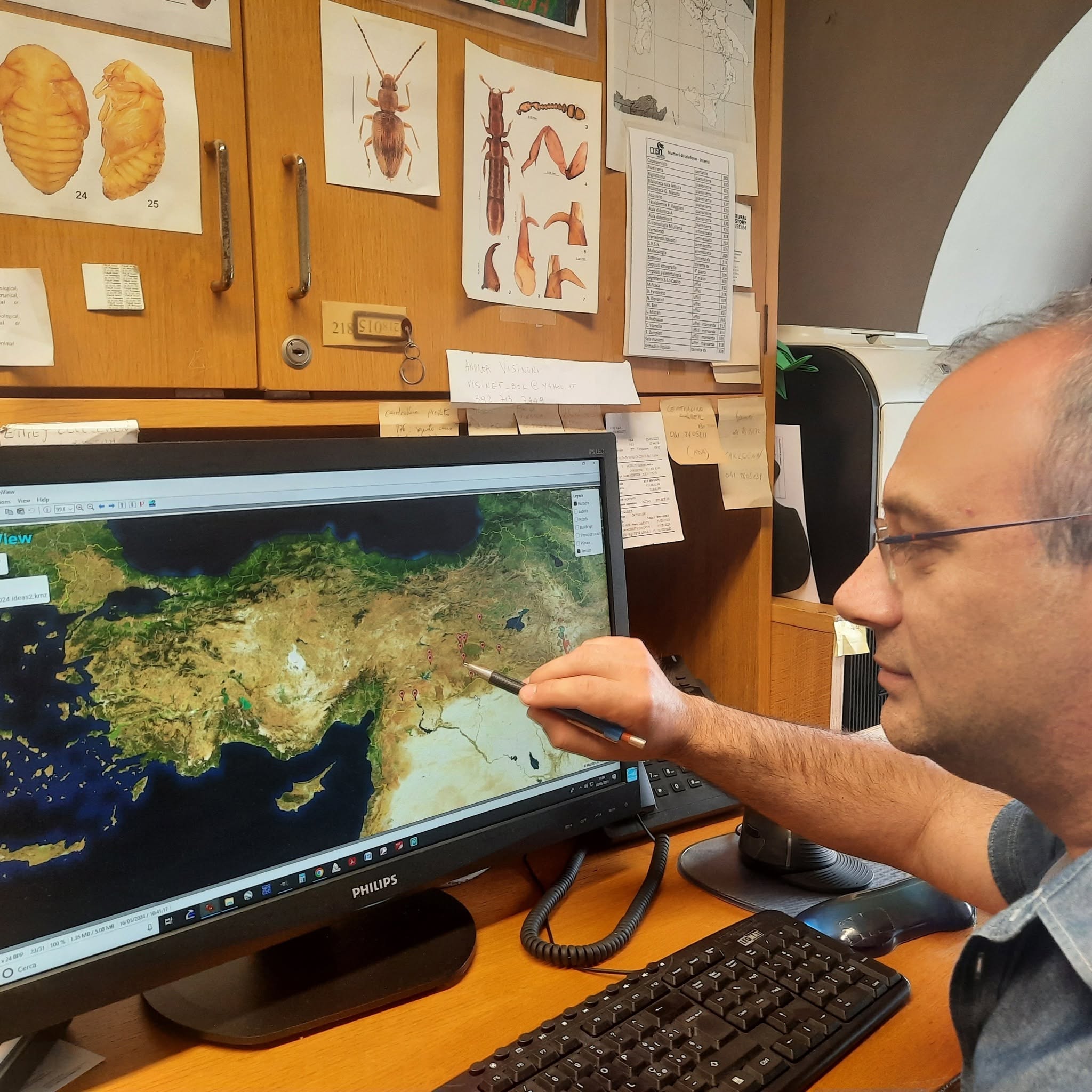
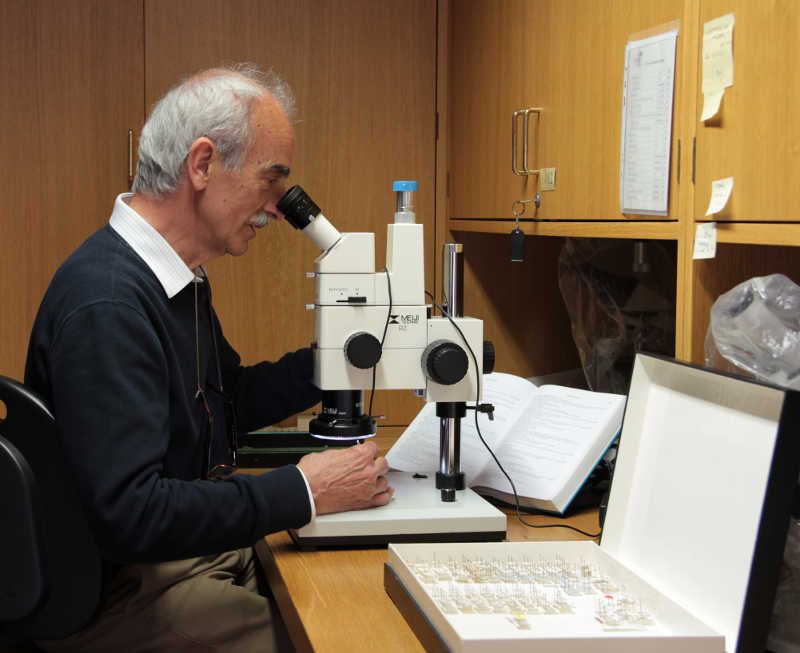
At the Natural History Museum of Venice Giancarlo Ligabue there is a specific section of Entomology, with a scientific laboratory, equipped with a rich collection of confrontation.
Herpetology
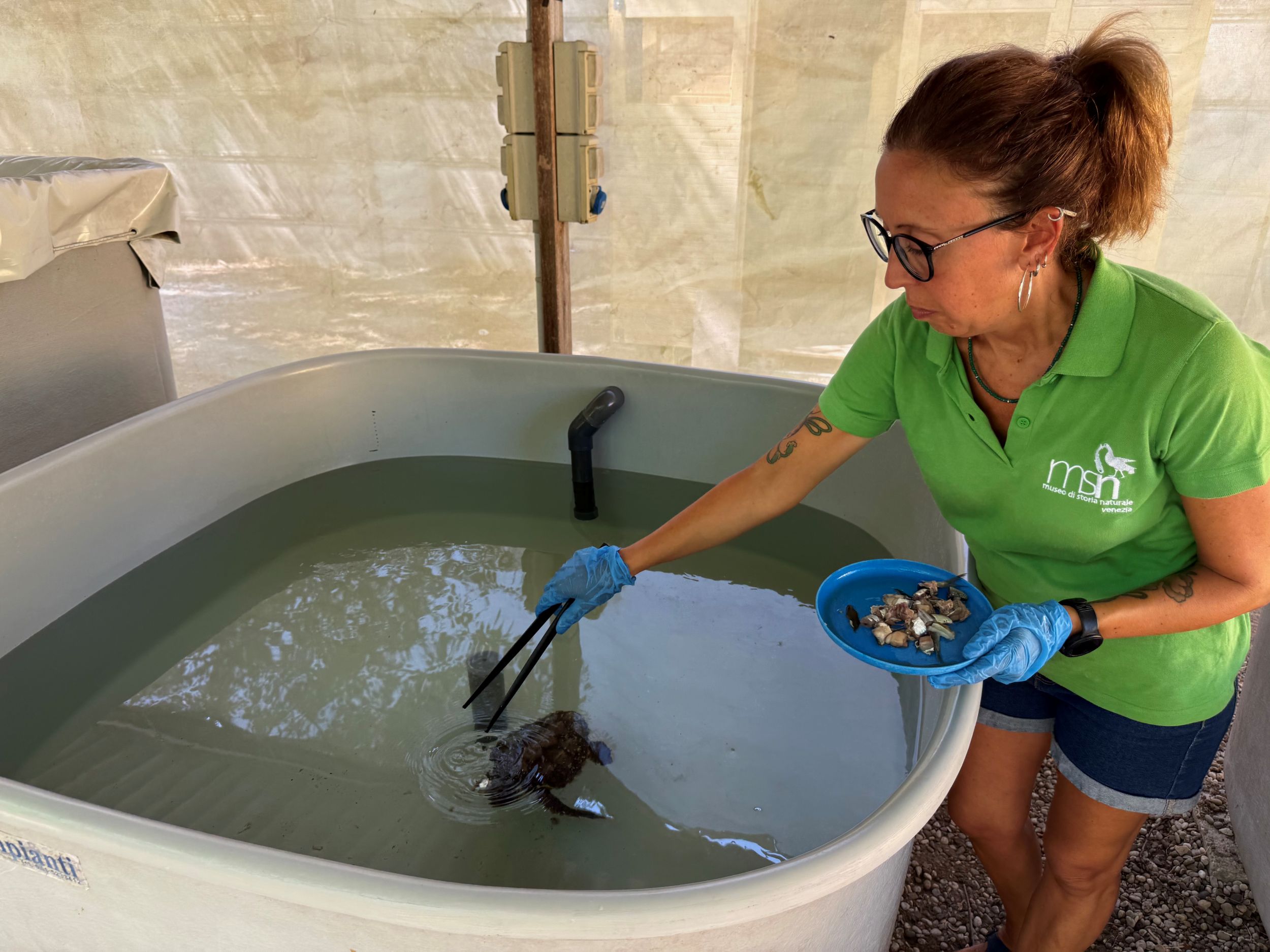
The Museum houses a relatively rich herpetological collection, comprising nearly 3,000 specimens, most of which are preserved in fluid (ethanol). The collection consists predominantly of material from the Veneto region, particularly the historical specimens collected between the mid-19th and early 20th centuries.
Micology
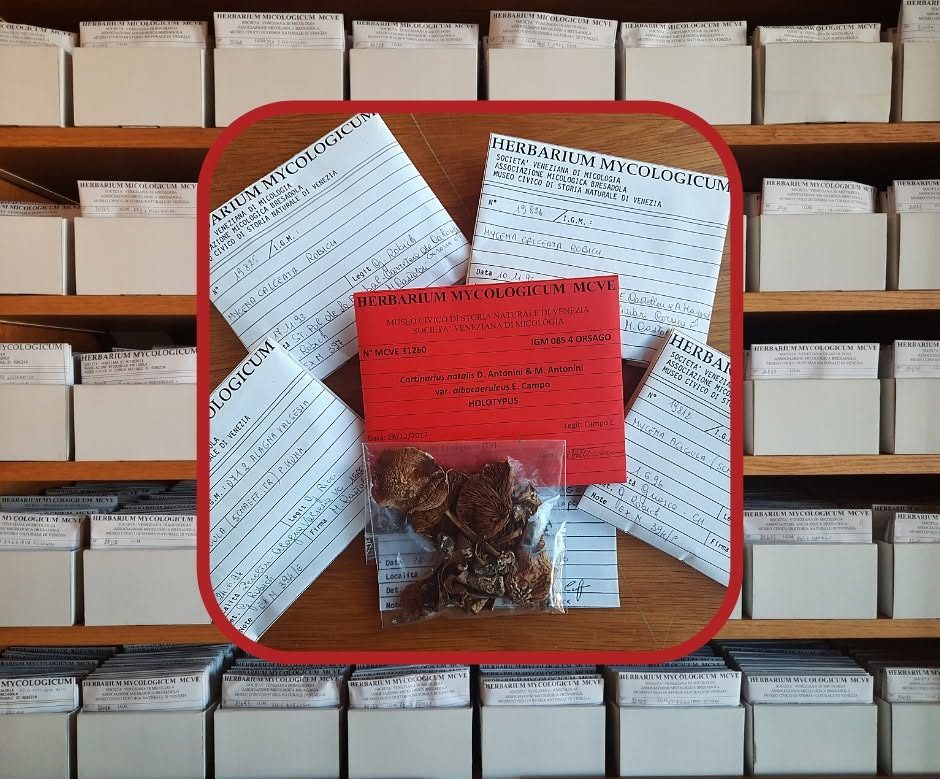
Thanks to the work carried out by a group of researchers belonging to the Venetian Mycological Society (SVM), the Museum is home to the largest and best-preserved collection of fungi in Italy.
The collection was used, in collaboration with the University of Berkeley, for an important research project aimed at characterising the DNA of the specimens.
Alien species survey
The Natural History Museum of Venice Giancarlo Ligabue monitors continuously the presence and distribution of exotic species in the Lagoon, with particular attention to marine organisms.
Ornithology
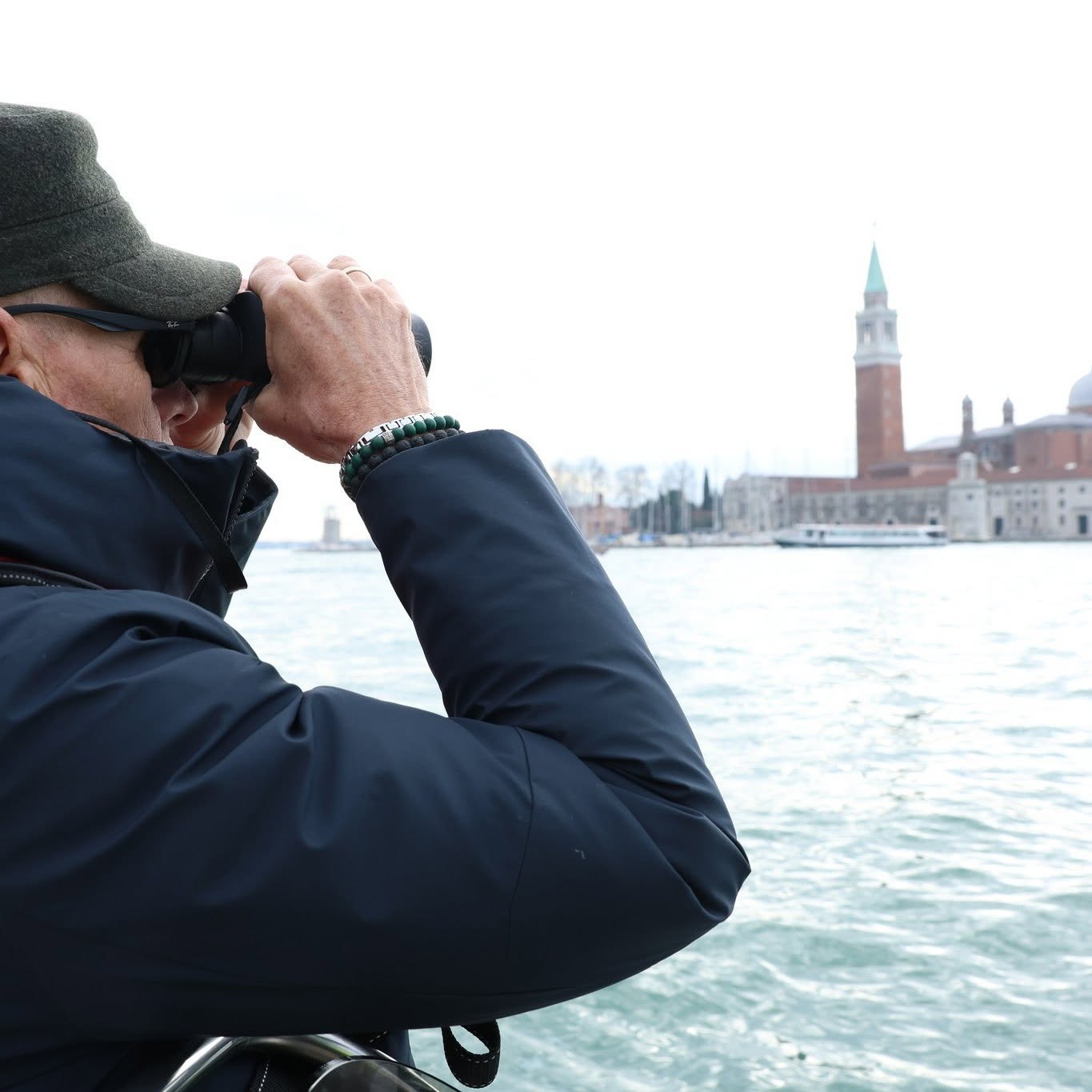
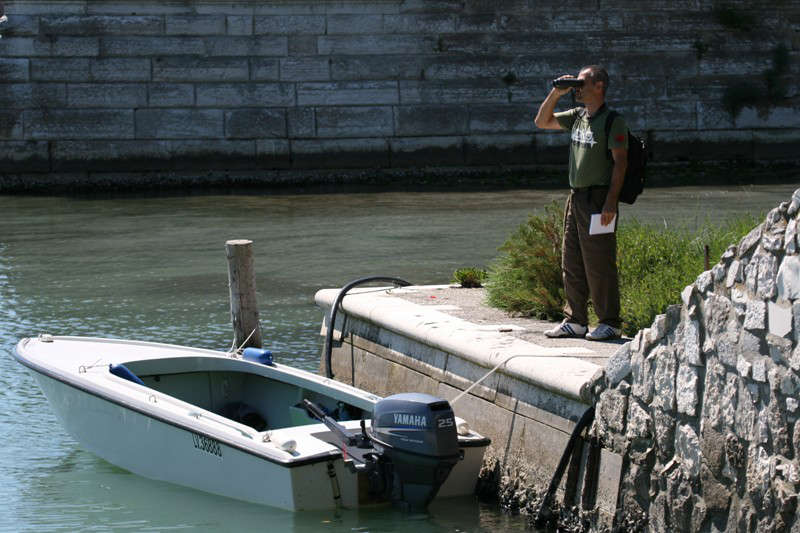
The Museum has an active Ornithology section, supported by important historical and more recently established collections, which document changes in the birdlife of the Venetian Lagoon and surrounding area over time. The Museum also serves as an important reference centre for ornithological surveys.
Paleontology
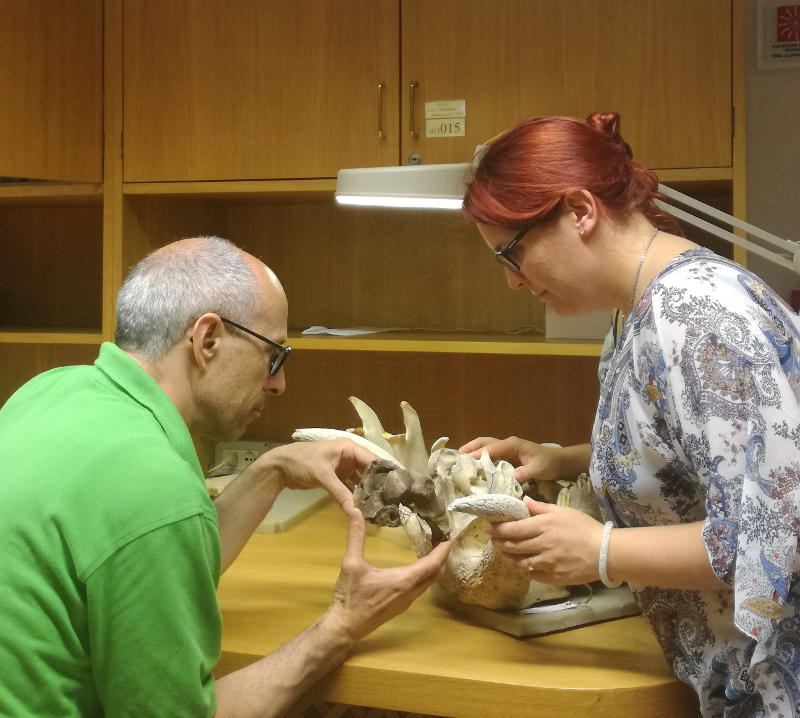
Between Biology and Earth Sciences, Paleontology studies organisms that lived in ancient times. Through the examination of fossils, it provides a fundamental contribution to understanding the evolution of species, environment, climate and geography over the time.
Theriology
The Museum has an active Theriology section, supported by important historical and more recently established collections. Relationships with organisations and institutions, including parks, provincial authorities, wildlife protection services, associations, universities and museums, facilitate the acquisition of specimens as well as the conducting of specific research projects.
Botany
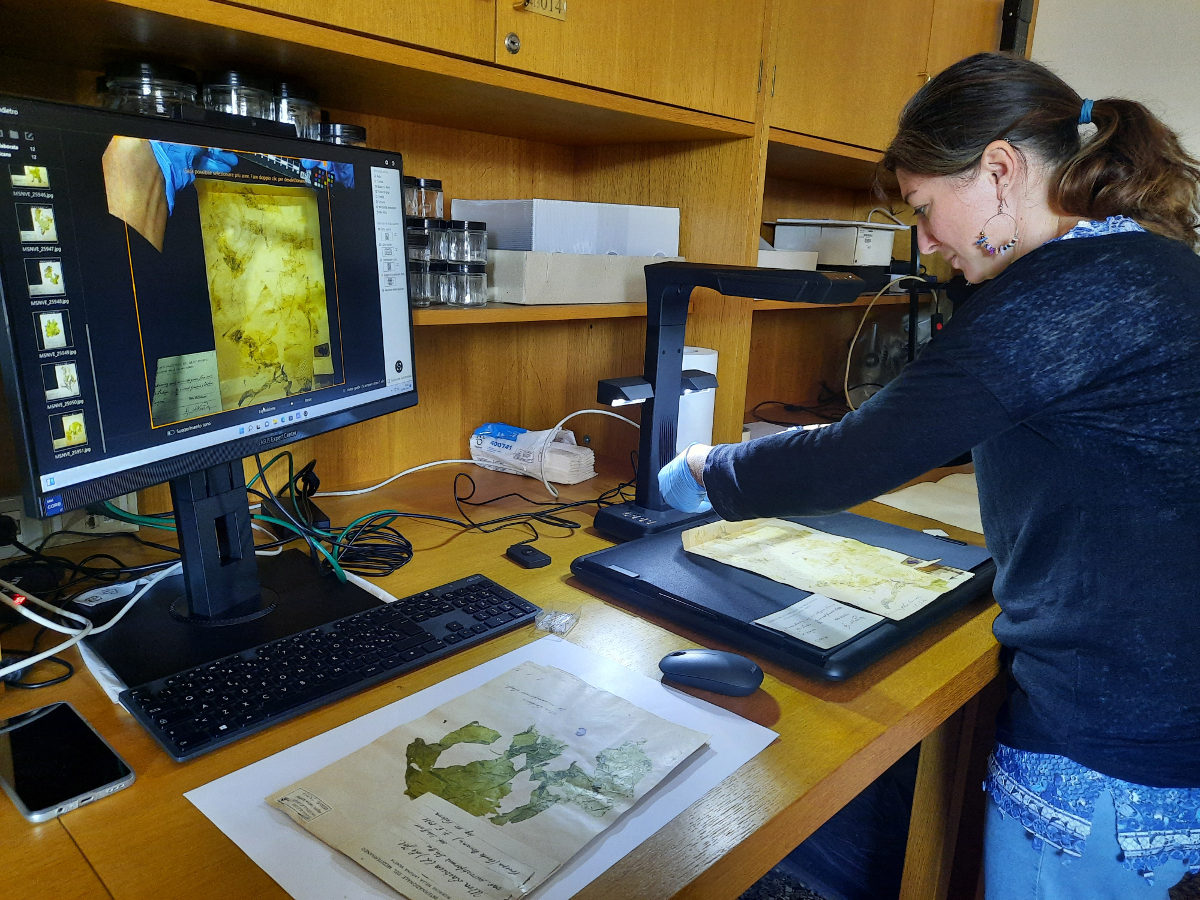
The Museum’s Botany section houses more than one hundred collections of varying size, comprising an estimated total of over 200,000 specimens and spanning more than three centuries. Its activities focus primarily on cataloguing the collections and enhancing their value and accessibility.